Finding a used car online can be thrilling, but it’s also somewhat of a minefield. Whether you’re looking at a pickup or a reliable hatchback, the shiny exterior can often hide mechanical gremlins or structural issues.
Your job is to look past the curb appeal and inspect the overall state of the vehicle. Here is how to spot the red flags before you hand over your hard-earned cash.
1. The Digital Sniff Test (Before You Leave the Couch)
- The Too Good Price: Check the market value on sites like KBB or Edmunds. If a truck is listed for $8,000 below its average value, it’s usually not “a great deal”—it’s a warning.
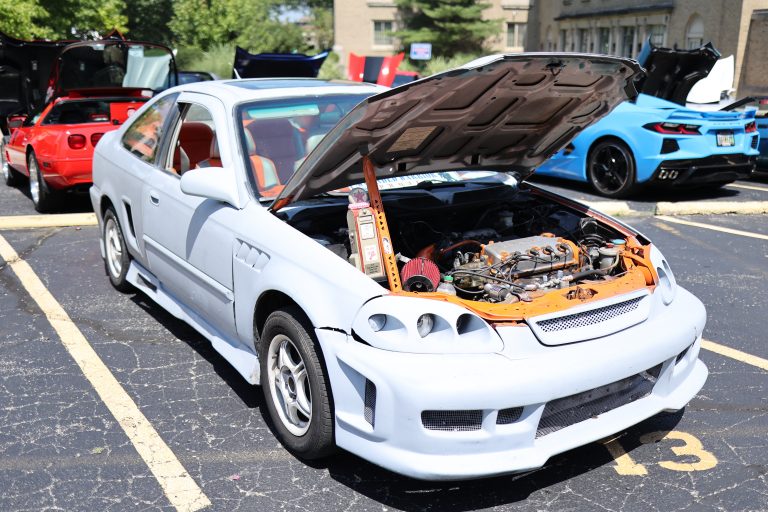
- The Stock Photo Scrape: If the listing only uses professional-looking stock photos or photos from a different climate (e.g., palm trees in an Ohio winter), be wary. Ask for current photos of the engine bay and undercarriage.
- The Vague Description: A listing that just says “runs good, cold AC” with no mention of recent maintenance or title status is often a sign of a seller who hasn’t kept records.
2. The DIY Inspection
Once you’re standing in front of the car, it’s time to get dirty. Don’t be afraid to crawl underneath—that’s where the truth lives.
- The Undercoat Cover-Up: Be suspicious of a vehicle with a jet-black, freshly sprayed undercarriage. Sellers often use cheap rubberized undercoating to hide structural rust or frame patches. If it looks too clean for its age, give it a poke with a screwdriver.
- The Milkshake: Check the fluids. If the oil looks like chocolate milk or the coolant looks like a milkshake, it’s possible that the head gasket or transmission cooler has failed. This is an immediate walk away for most buyers just because of the repair cost.
- The Warm Start: Touch the hood before the seller starts the car. Is it already warm? They might be trying to hide a cold start issue, like a knocking engine or a dying battery that struggles to turn over first thing in the morning.
🧰 The DIY Detective Kit
Bring these three things to every inspection:
- A Magnet: Gently test the lower doors and wheel arches. If the magnet doesn’t stick, that’s body filler hiding a rust hole or a poor accident repair.
- An OBD-II Scanner: Even a cheap $20 Bluetooth code scanner can tell you if the seller recently cleared a “Check Engine” light to hide a persistent fault code.
- A Screwdriver: Go ahead, poke that frame. Make sure there is no rust hiding with a quick coverup.
3. Maintenance & Title Red Flags
- Mismatched Tires: If the car has four different brands of tires, it’s a sign the previous owner was budget-constrained on maintenance. If they didn’t care about matching tires, they likely didn’t care about oil changes or timing belts. This seller is likely to have higher rusted areas than average, double check that frame.
- The Title Trap: Always ask to see the physical title before talking price. A Rebuilt or Salvage title significantly lowers the value of the car and can make it harder to insure.
- The Odometer Mismatch: Check the wear on the interior. If the odometer says 50,000 miles but the interior is heavily soiled and worn down, the mileage might not be correct.
4. Behavioral Red Flags
- The No Inspection Rule: If a seller won’t let you take the car to a local mechanic for a Pre-Purchase Inspection (PPI), or won’t let you put it on a jack, the deal is over.
- The Missing Paperwork: I lost the receipts is the oldest line in the book. A true enthusiast or a diligent owner will have a folder (or at least a digital log) of what was done and when.
The Bottom Line: Don’t Fall in Love
The hardest part of car shopping is keeping your emotions in check. If your gut says something is off—even if the car looks perfect—walk away. There are millions of used cars on the market; don’t let a bad one become your weekend-destroying project. Hire a professional to inspect the vehicle when in doubt.
Vehicle history reports like Carfax, AutoCheck, and Bumper have become the gold standard for online car shopping. They are fantastic tools for a quick screening, but many buyers make the mistake of treating them as an absolute source of truth. You need to remember that a vehicle history report is like a resume: it tells you where the car has been, but it doesn’t tell you how the car actually feels today. Here is why you should never buy a car based on a clean report alone.