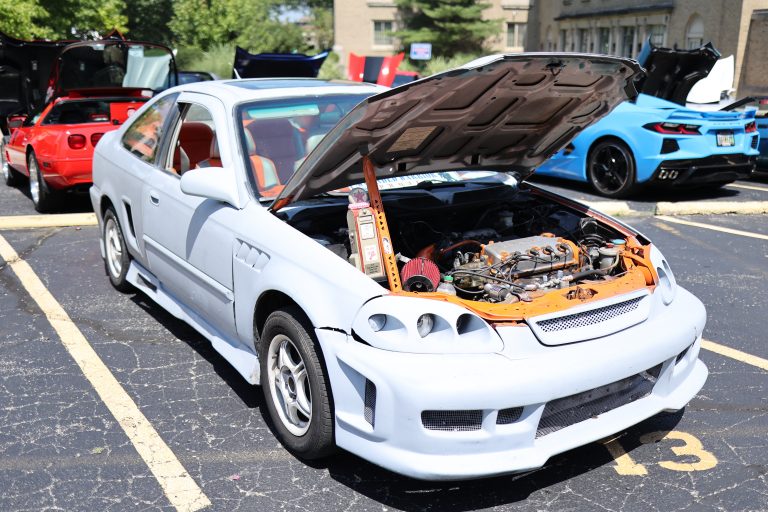
Congratulations—the paperwork is done, and your JDM treasure is finally in your driveway. Now comes the most important part of the journey: The Maintenance Reset.
Whether your car came from a high-end dealer or a dusty auction lot, you are starting from mile zero. Japanese service records don’t always translate perfectly, and rubber ages regardless of mileage. To ensure your first road trip isn’t on the back of a tow truck, here is how to tackle The Big Three.
1. The Fluid Flush: Out with the Old
Think of this as a blood transplant for your vehicle. You don’t know how long these fluids have been sitting or if they’ve been subjected to extreme coastal humidity in Japan.
- Engine Oil: Use a high quality oil matching OEM recommended viscosity and a new filter.
- Transmission Fluid: Drain and refill the transmission fluid, if replacement filters are available for your vehicle, you can opt for that also.
- Coolant: It’s chemical stability weakens over time; full coolant flush is recommended.
- Brakes: Brake fluid is hygroscopic (it absorbs water over time), which leads to soft pedals and internal rust. Flush it until it runs clear.
- The Extras: Don’t skip the differentials or the power steering fluid. Swap out the fuel filter also for added peace of mind.
2. The Belt Lockdown: Peace of Mind
In the JDM world, a snapped belt can be the difference between a fun weekend and a parts-only listing.
- The Timing Belt: This is the big one. If your engine is an interference design, a broken timing belt means engine failure. If you don’t have a sticker in the engine bay proving it was done recently, do it now.
- Accessory Belts: Check your AC, alternator, and power steering belts for glazing (a shiny, slippery look) or micro-cracks. These are generally inexpensive and it just makes sense to replace them all.
3. Fresh Rubber: Look Closer
This is the most common trap for new JDM owners. Japanese cars often have very low mileage, meaning the tires might have 80% tread left but be 12 years old.
- The Dry Rot Test: Check the sidewalls for tiny cracks. Even if they look meaty, old rubber becomes hard and loses its ability to grip the road, especially in the rain.
- Check the Date Code: Look for a four-digit number on the sidewall (e.g., 1214 means the 12th week of 2014). If they are older than 6 years, swap them out. Your safety—and your cool new wheels—depend on it.
Pro Tip: The Cross-Reference Win
One of the best parts of DIYing a JDM vehicle is realizing that many parts are shared with US models. Before you pay for international shipping from Japan, check if your local auto parts store carries the filter or belt for a domestic equivalent