Welcome to the world of compression ignition. If you’ve spent your life driving gasoline vehicles, your first diesel can feel a bit like moving from a gas grill to a wood-fired smoker – the end result is often better, but the process requires a different set of rules and a little more patience.
The good news is that diesels are inherently robust. However, they are also high-stakes machines. Neglecting a gas engine might lead to a rough idle; neglecting a diesel can lead to a multi-thousand-dollar repair bill.
Here is the breakdown of what is changing in your maintenance routine.
1. The Ignition: Say Goodbye to Spark Plugs
The most famous difference is that diesels don’t have spark plugs. They rely on extreme pressure to ignite the fuel.
- The Component: You now have Glow Plugs.
- Maintenance Difference: You don’t tune up a diesel every 50,000 miles with new plugs and wires. Glow plugs are only used to pre-heat the cylinders for cold starts.
- The DIY Reality: You won’t touch these until the car struggles to start on a cold morning. When one fails, you usually replace the whole set.
2. The Fuel System: Your New Top Priority
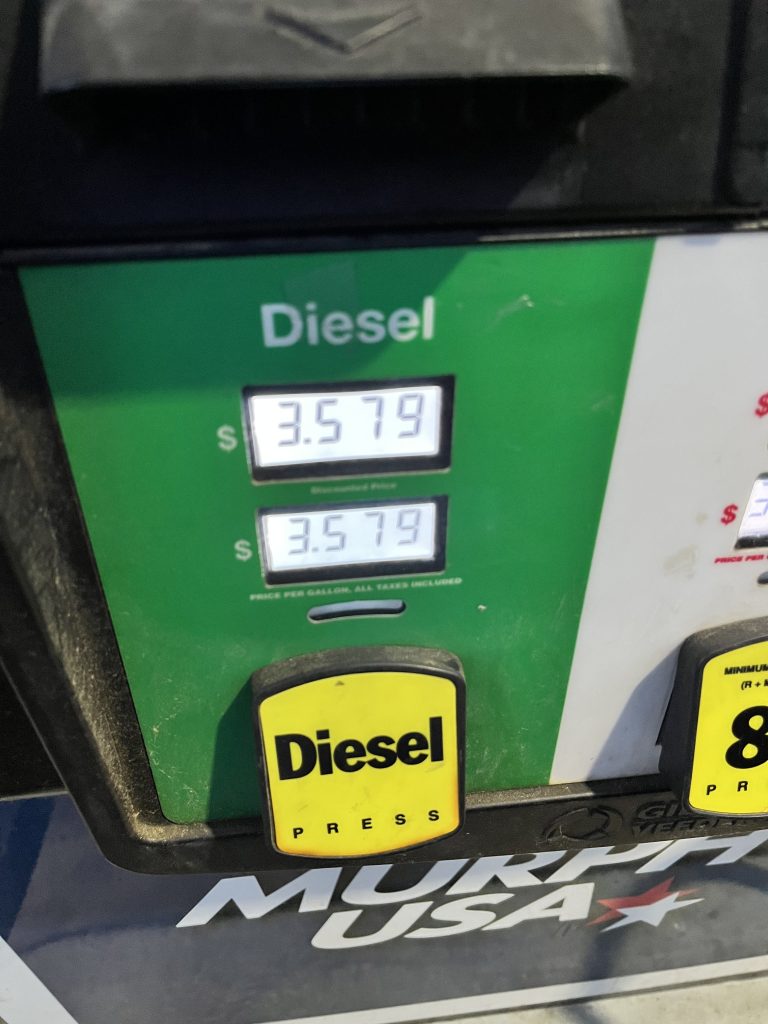
In a gas car, the fuel filter is often a lifetime part hidden in the tank. In a diesel, the Fuel Filter is the most critical item in your toolbox.
- Water Separators: Diesel fuel attracts water. Most diesel vehicles have a Water-in-Fuel (WIF) sensor and a drain valve on the filter.
- The Routine: You’ll need to change your fuel filter much more frequently—often every 10,000 to 15,000 miles.
- Pro Tip: If you see a dashboard light that looks like a little water drop, don’t ignore it. Water in a high-pressure diesel pump acts like liquid sandpaper.
3. The Oil: It’s Going to Get Black (Fast)
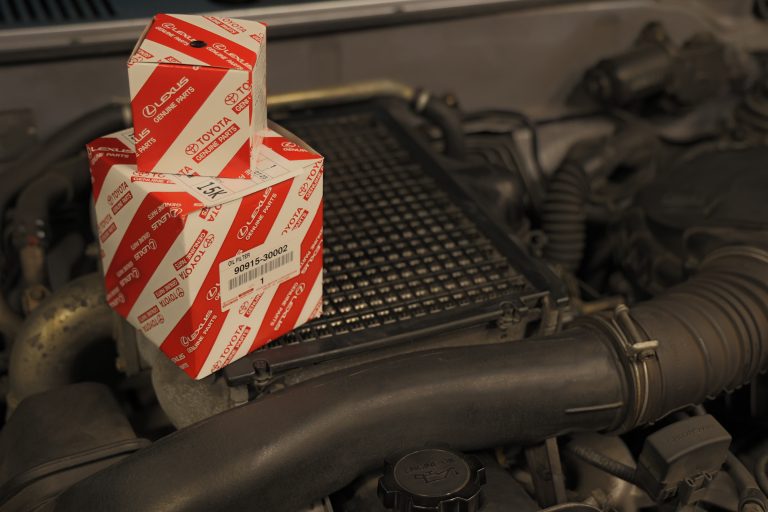
If you change the oil in a gas car, it stays honey-colored for a few weeks. In a diesel, it will turn jet-black within five minutes of idling.
- Why? Diesel engines produce significantly more soot. Modern diesel oil is designed with high dispersants to keep that soot in suspension so it doesn’t turn into sludge.
- The Volume: Diesels usually hold a lot more oil than gas engines. A small gas truck might take 5 quarts; a diesel truck might take 10 to 15. Budget accordingly!
Quick Comparison: Gas vs. Diesel
| Feature | Gasoline Engine | Diesel Engine |
| Ignition | Spark Plugs (Maintenance item) | Compression (Glow plugs for starts) |
| Fuel Filter | Usually 50k+ miles | Every 10k–15k miles (Critical) |
| Battery | Standard | High Cranking Amps (Often two batteries) |
| RPM Range | High (Rev-happy) | Low (Torque-heavy) |
| Exhaust | Standard Muffler/Cat | DPF & DEF Fluid (On modern models) |
4. The Extra Fluid: DEF (Modern Diesels Only)
If your diesel was built after roughly 2010, you likely have a blue cap next to your fuel filler. This is for Diesel Exhaust Fluid (DEF).
- What it does: It’s sprayed into the exhaust to break down NOx emissions.
- Maintenance: You’ll need to top this off every few thousand miles (usually every oil change).
- The Risk: If you let the DEF tank run dry, the vehicle will enter Limp Mode.
5. Batteries and Cold Starts
Diesel engines are much harder to turn over than gas engines because they have massive compression ratios.
- The Hardware: Many diesels come with dual batteries.
- The Maintenance: You need to ensure your batteries are in top shape before winter. A battery that could easily start a Honda Civic will fail to start a diesel truck on a 20°F morning.
💡 The Diesel Truth
A diesel engine is a marathon runner. It hates short trips where it never reaches operating temperature. If you only drive frequent short trips (5 minutes to the grocery store, etc) you’ll deal with soot loading issues. A diesel wants to be worked, loaded, and driven on the highway.
The Bottom Line
Transitioning to diesel requires a mindset shift from fix it when it breaks to prevent the clog. If you keep the air and fuel pristinely clean, a diesel engine will likely outlast the rest of the truck around it.