VIN history reports like Carfax, AutoCheck, and Bumper have become the gold standard for online car shopping. They are fantastic tools for a quick screening, but many buyers make the mistake of treating them as an absolute source of truth. You need to remember that a vehicle history report is like a resume: it tells you where the car has been, but it doesn’t tell you how the car actually feels today. Here is why you should never buy a car based on a clean report alone.
A vehicle history report is only as good as the data fed into it. If an event wasn’t reported to an insurance company, a police department, or a participating service center, it effectively doesn’t exist in the eyes of the report. There is no guarantee on the data integrity.
1. The Off-the-Books Accident
This is the most common pitfall. If a previous owner backed into a pole or slid into a ditch and decided to pay a local body shop cash for the repair to avoid an insurance hike, that accident will never appear on a history report. Major accidents may also fail to appear on reports in certain circumstances.
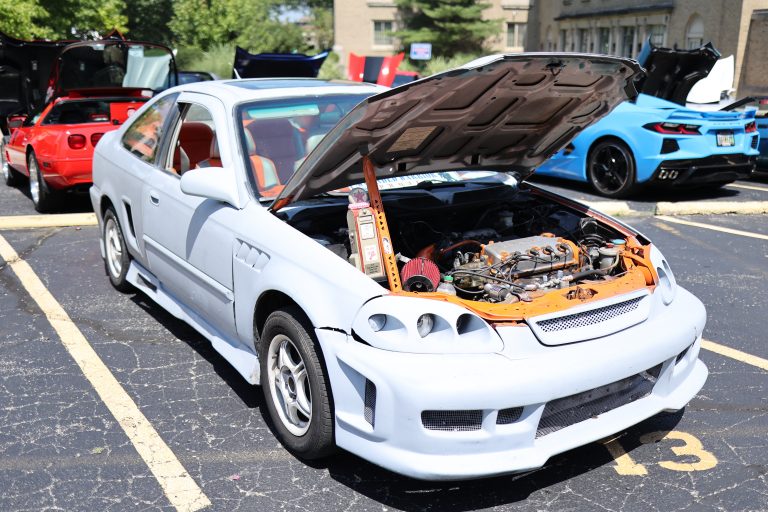
- The DIY Reality: You might find a Clean Title car that has actually had its entire front clip replaced and repainted in someone’s garage. This is why your physical inspection (and that magnet we talked about!) is so important. When in doubt, hire a professional.
2. The DIY Maintenance Gap
Ironically, for a community that loves Right to Repair, DIY work is invisible to history reports. If a diligent owner changed their own oil every 3,000 miles, replaced their own brakes, and swapped their own coolant, the Carfax might look “empty,” making it appear as though the car was neglected.
- Conversely, a car with a perfect dealership service history might have been driven into the ground between those appointments. Paperwork is no substitute for pulling the dipstick yourself.
3. The Rental & Fleet Lag
Vehicle history reports often have a data lag. If a car was part of a rental fleet or a corporate lease, it may have been involved in an incident recently that hasn’t hit the reporting database yet. You could be looking at a report that is clean simply because the paperwork is still sitting on a desk at a claims office.
History vs. Condition: Two Different Worlds
A report tells you the History, but an inspection tells you the Condition.
The Golden Rule: You are buying the car in front of you, not the piece of paper attached to it.
- The Garage Queen with No Records: You might find an enthusiast-owned car with zero reported service history because the owner did everything themselves. If the car is bone-dry underneath and the oil is honey-gold, that empty report alone shouldn’t scare you off.
- The Dealer Maintained Lemon: You can find a car with 40 service records that currently has a blown head gasket and bald tires. The report shows they tried to take care of it, but it doesn’t mean they succeeded.
How to Use a Report the Right Way
Don’t throw the report away—just use it as a filtering tool, not a final verdict.
- Red Flag Filter: Use it to immediately walk away from red flags like flood damage, odometer rollbacks, or total-loss salvage titles.
- The Story Check: Use the report to verify the seller’s story. If they say one owner but the report shows four, you know you’re dealing with a dishonest seller.
- Location Tracking: Look at where the car lived. A clean report on a car that spent 10 years in the Salt Belt (like Ohio or Michigan) tells you that you need to look extra closely for frame rust, regardless of how many oil changes are listed.
The Bottom Line
A vehicle history report is a great starting point, but your own eyes, and a test drive are your finishing point. Never let a checkmark on a website talk you out of your own gut feelings. Remember, you can always hire a professional to inspect the vehicle when in doubt.